Message
All templatesAI & Technology
Interview Experience Study
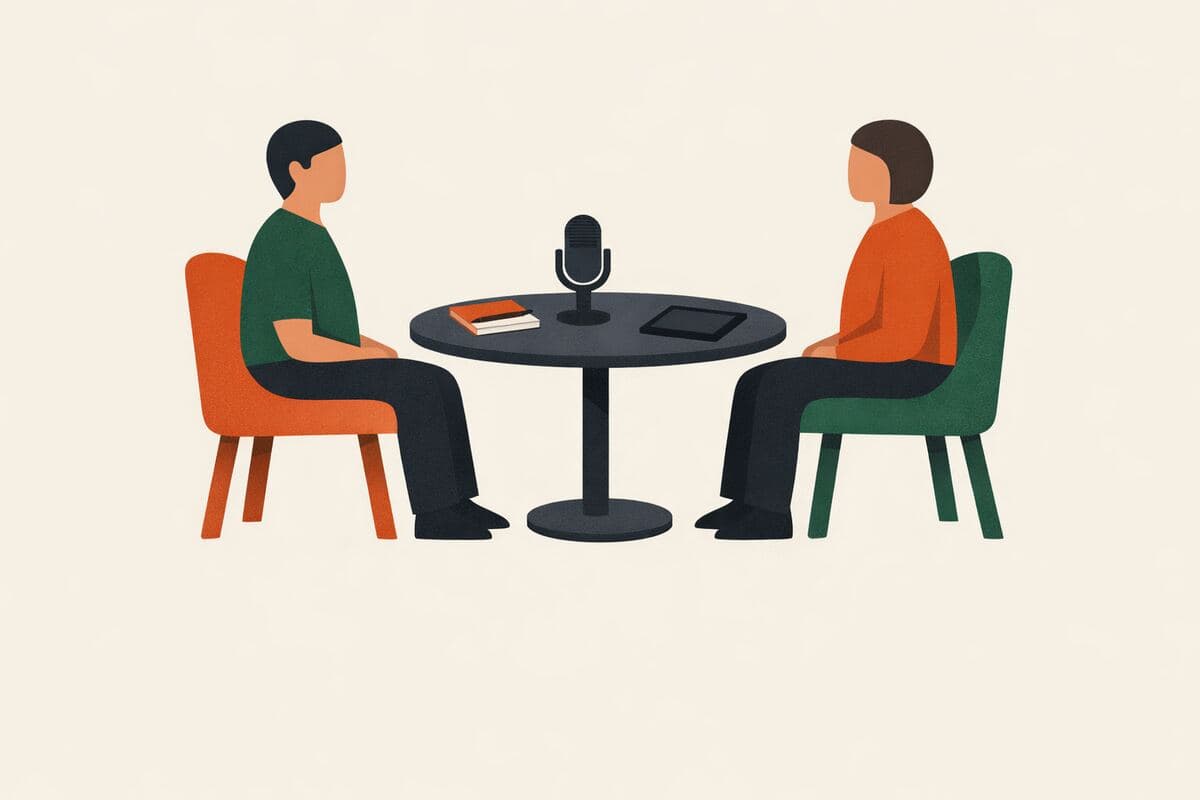
A controlled comparison instrument for evaluating interview experiences across different moderator formats. This survey measures pre-interview expectations, embeds an interview session, and captures post-interview evaluations of comfort, quality, depth, trust, and willingness to participate again.
No sign-up to try · Unlimited responses on the free plan
Live preview
Interview Experience Study
Welcome to the Interview Experience Study. You are invited to participate in a short research study about interview experiences. You will first answer a few brief questions, then participate in a short interview conversation, and finally share your feedback about the experience. This study will take approximately 10–14 minutes to complete. • Your participation is entirely voluntary, and you may stop at any time. • There are no right or wrong answers — we are interested in your honest opinions. • All responses are confidential and will be reported only in aggregate. • Your data will be used for research purposes only. By continuing, you indicate that you have read and understood this information and agree to participate.
Powered by QuestionPunk
Default theme. Colors and fonts are yours to change.
Sample questions
A preview of what’s in the template. Every question is editable before you launch.
25 questions · ~12 min
Q01
Multiple Choice
How many times have you participated in a research interview (one-on-one, not a written survey) in the past 12 months?
- Never
- 1–2 times
- 3–5 times
- 6 or more times
Q02
Opinion Scale
In general, how comfortable are you sharing your honest opinions with an interviewer you have not met before?
Scale: 1 – 7
Min:Very uncomfortableMax:Very comfortable
Q03
Multiple Choice
How often do you interact with AI-powered chatbots or virtual assistants (e.g., ChatGPT, Siri, Alexa) in your daily life?
- Never
- Rarely (a few times a year)
- Sometimes (a few times a month)
- Often (a few times a week)
- Daily or almost daily
Q04
Opinion Scale
Before beginning the interview, how would you rate your expected comfort level for the upcoming conversation?
Scale: 1 – 7
Min:Very uncomfortableMax:Very comfortable
Q05
Opinion Scale
Before beginning the interview, how would you rate the quality of conversation you expect to have?
Scale: 1 – 7
Min:Very low qualityMax:Very high quality
Message
You will now participate in a short interview conversation. Please respond openly and honestly — there are no right or wrong answers. The conversation will last a few minutes.
Q06
AI Interview
Let's talk about how technology fits into your everyday life. What role does technology play in your typical day, and how do you feel about that?
Q07
Opinion Scale
How comfortable did you feel during the interview you just completed?
Scale: 1 – 7
Min:Very uncomfortableMax:Very comfortable
Q08
Opinion Scale
The interviewer made me feel at ease during the conversation.
Scale: 1 – 7
Min:Strongly disagreeMax:Strongly agree
Q09
Opinion Scale
The interview felt like a natural conversation.
Scale: 1 – 7
Min:Strongly disagreeMax:Strongly agree
Q10
Opinion Scale
The interviewer asked clear and relevant follow-up questions.
Scale: 1 – 7
Min:Strongly disagreeMax:Strongly agree
Q11
Opinion Scale
The interviewer seemed to understand what I was trying to say.
Scale: 1 – 7
Min:Strongly disagreeMax:Strongly agree
Q12
Opinion Scale
How would you rate the overall quality of the interview experience?
Scale: 1 – 7
Min:Very low qualityMax:Very high quality
Q13
Opinion Scale
I was able to fully express my thoughts and opinions during the interview.
Scale: 1 – 7
Min:Strongly disagreeMax:Strongly agree
Q14
Opinion Scale
I shared more detailed or personal responses than I initially expected to.
Scale: 1 – 7
Min:Strongly disagreeMax:Strongly agree
Q15
Opinion Scale
How would you rate the depth and thoughtfulness of your own responses during the interview?
Scale: 1 – 7
Min:Very shallowMax:Very deep and thoughtful
Q16
Opinion Scale
I trusted that the interviewer was genuinely interested in my responses.
Scale: 1 – 7
Min:Strongly disagreeMax:Strongly agree
Q17
Opinion Scale
I felt confident that my responses would be treated with respect and confidentiality.
Scale: 1 – 7
Min:Strongly disagreeMax:Strongly agree
Q18
Opinion Scale
I was worried about being judged for my answers during the interview.
Scale: 1 – 7
Min:Strongly disagreeMax:Strongly agree
Q19
Opinion Scale
How likely are you to participate in a similar interview experience again?
Scale: 1 – 7
Min:Very unlikelyMax:Very likely
Q20
Opinion Scale
How likely are you to recommend this type of interview experience to a friend or colleague?
Scale: 1 – 7
Min:Very unlikelyMax:Very likely
Q21
Multiple Choice
If you could choose for future research studies, which type of interviewer would you prefer?
- A human interviewer
- An AI-powered interviewer
- No preference — either would be fine
- It would depend on the topic
Q22
Long Text
Based on your interview experience, please share any additional thoughts or feelings about the conversation you had. What stood out to you, positively or negatively?
Q23
Dropdown
What is your age?
- 18–24
- 25–34
- 35–44
- 45–54
- 55–64
- 65 or older
- Prefer not to say
Q24
Multiple Choice
What is your gender?
- Woman
- Man
- Non-binary / third gender
- Prefer to self-describe
- Prefer not to say
Q25
Dropdown
What is the highest level of education you have completed?
- Less than high school
- High school diploma or equivalent
- Some college, no degree
- Associate's degree
- Bachelor's degree
- Master's degree
- Doctoral or professional degree
- Prefer not to say
What’s included
AI follow-ups
Adaptive probes on open-ended answers that pull out detail a static form would miss.
Attention checks
Built-in safeguards against rushed answers and low-quality respondents.
AI-drafted copy
Wording, ordering, and branching written by the AI — tuned to your research goal.
Auto report
Themes, quotes, and a plain-English summary write themselves once responses come in.
Frequently asked questions
What questions are in the “Interview Experience Study” template?
The template includes 25 ready-to-use questions, starting with: “How many times have you participated in a research interview (one-on-one, not a written survey) in the past 12 months?” · “In general, how comfortable are you sharing your honest opinions with an interviewer you have not met before?” · “How often do you interact with AI-powered chatbots or virtual assistants (e.g., ChatGPT, Siri, Alexa) in your daily life…”. The full set is previewed above, and every question is editable.
How long does this survey take to complete?
Respondents typically finish the 25 questions in about 12 minutes.
Can I customize this template?
Yes — every question, answer option, and the ordering is editable before you launch. You can add or remove questions, or ask the AI editor to rework the survey around your research goal.
Is this template free to use?
Yes. Open it in the editor and start customizing right away — no account required to try it, and the free plan covers launching your survey.
Ready to launch?
Open this template in the editor. Every part is yours to change before the first respondent sees it.
Related templates
More studies on similar topics.