메시지
모든 템플릿Pricing & Packaging
패키지 디자인 및 진열대 임팩트 테스트
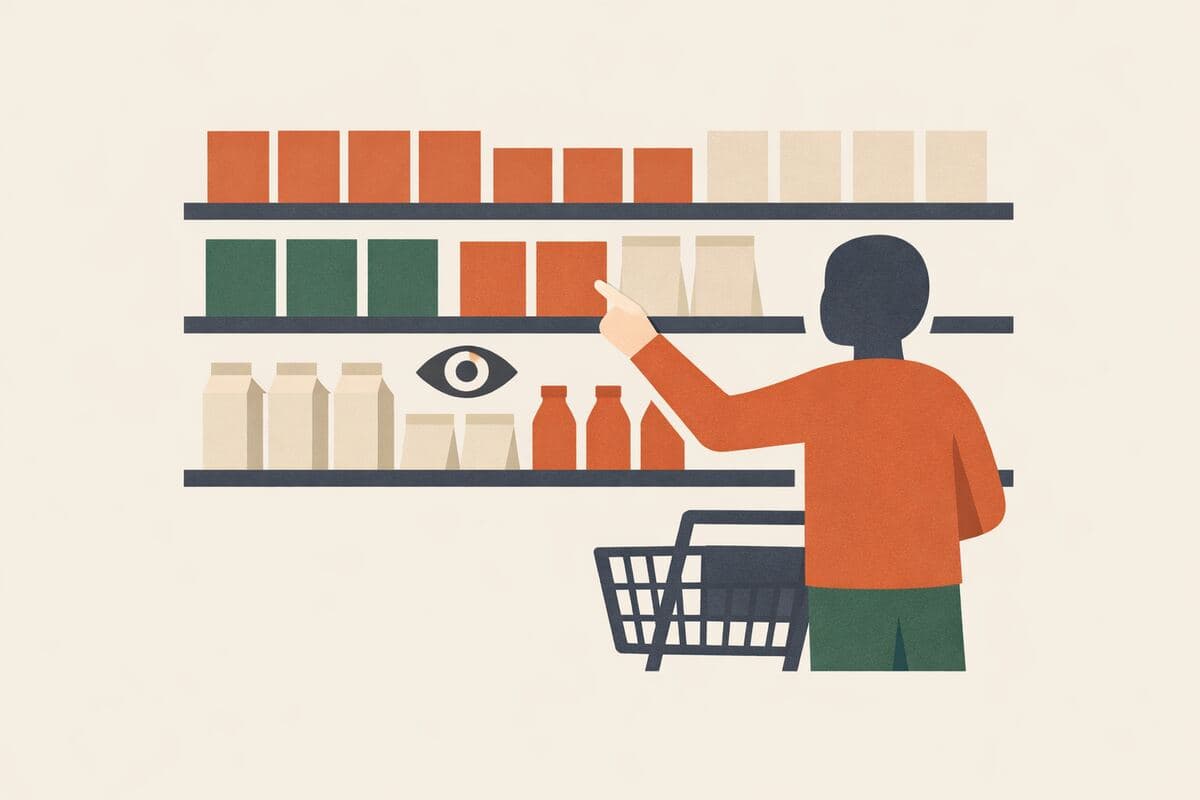
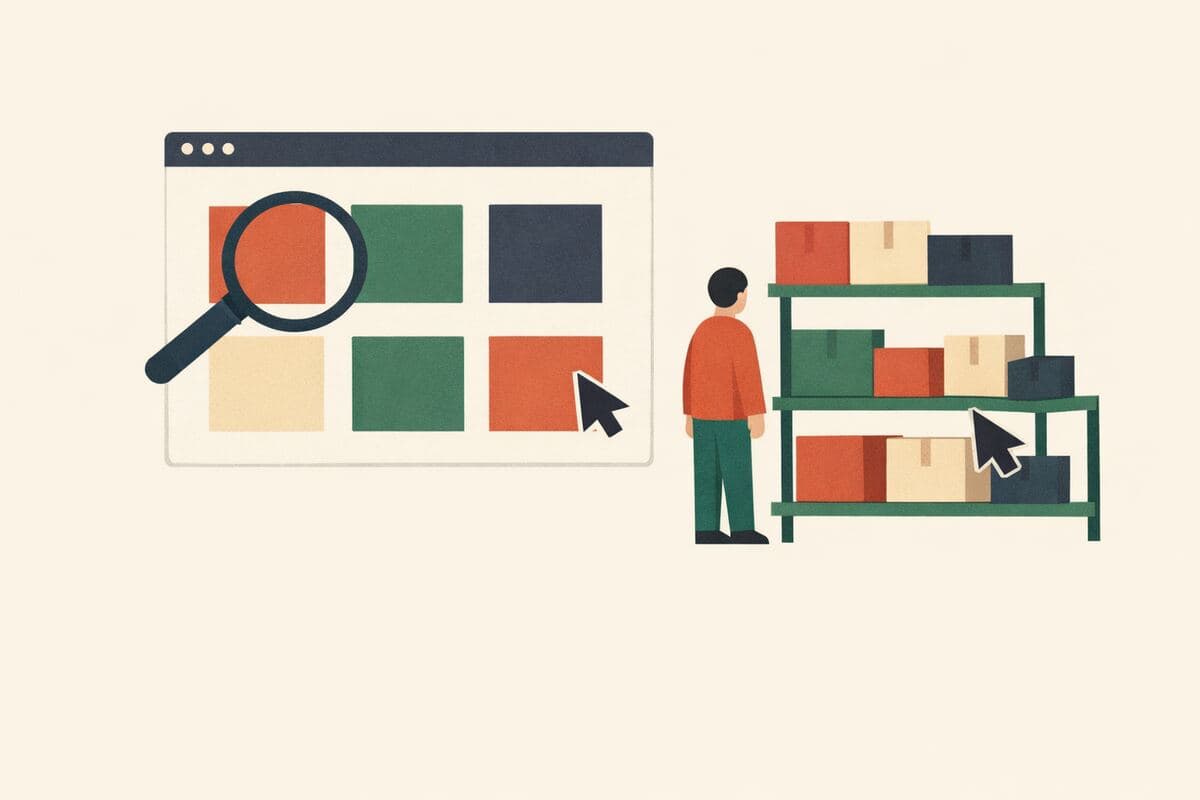
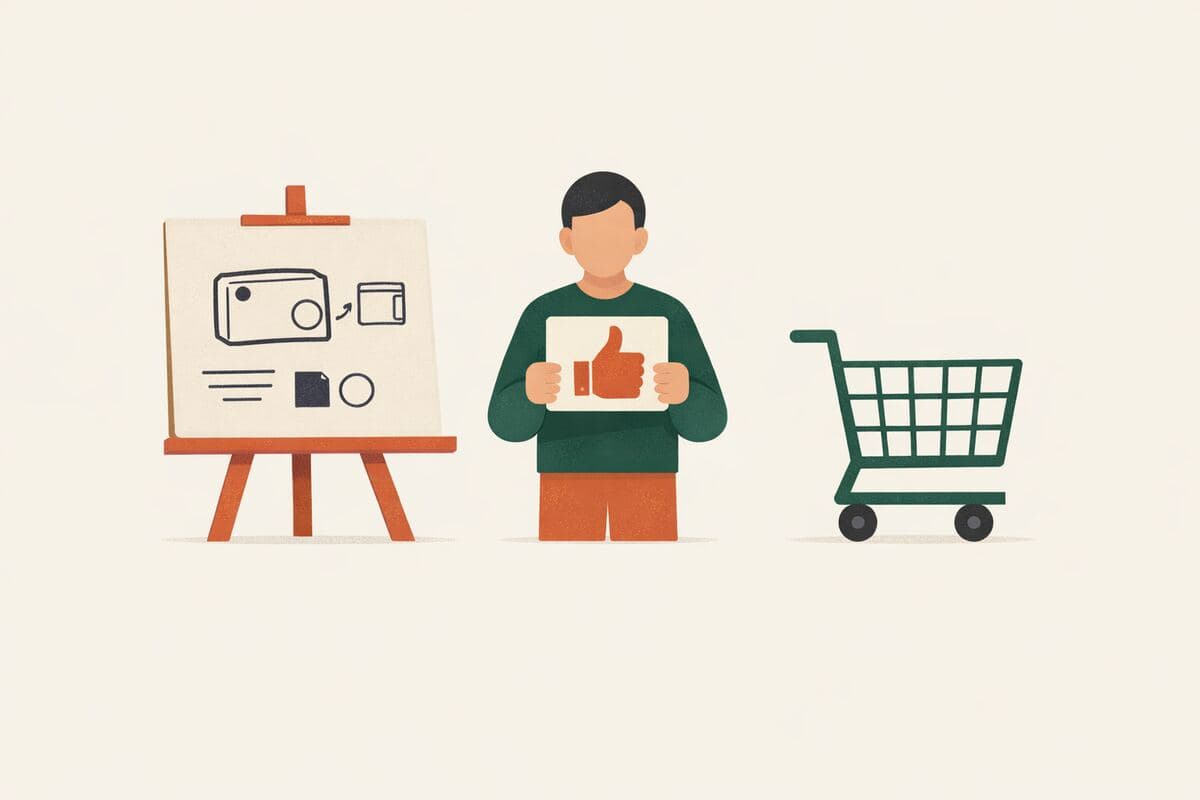
제품 패키지가 진열대에서 어떻게 성과를 내는지 — 눈에 띄는 매력, 가장 먼저 인지되는 요소, 메시지의 명확성, 구매 의향 — 를 디자인 우선순위에 대한 최적-최악 트레이드오프와 함께 테스트하며, 사거나 지나칠지에 대한 찰나의 결정을 재구성하는 AI 후속 인터뷰를 포함합니다.
가입 없이 체험 · 무료 요금제도 응답 무제한
실시간 미리보기
패키지 디자인 및 진열대 임팩트 테스트
제품 패키지에 대한 반응을 몇 분간 들려주셔서 감사합니다! 귀하의 응답은 완전히 기밀로 유지되며 익명 처리됩니다. 오답은 없으며, 저희는 귀하의 솔직하고 첫인상에 기반한 반응을 원합니다. 약 6분 소요됩니다.
Powered by QuestionPunk
기본 테마. 색상과 글꼴은 자유롭게 바꿀 수 있습니다.
샘플 질문
템플릿에 포함된 내용을 미리 확인해 보세요. 모든 질문은 설문 공개 전에 자유롭게 수정할 수 있습니다.
질문 12개 · 약 7분
Q01
의견 척도필수
이 패키지가 유사한 제품들 옆 진열대에 놓여 있다고 상상해 보십시오. 얼마나 눈에 띕니까?
척도: 1 – 7
최소:완전히 묻혀버림최대:놓칠 수 없을 만큼 눈에 띔
Q02
객관식필수
이 패키지에서 가장 먼저 눈에 띈 것은 무엇이었습니까?
- 브랜드 이름 또는 로고
- 색상
- 이미지 또는 그래픽
- 제품 이름
- 문구 또는 강조 표시(예: '신제품', '50% 증량')
- 패키지의 형태
Q03
매트릭스필수
이 패키지에 관한 다음 각 진술에 얼마나 동의하십니까?
5개 행 × 5개 열
- 고급스럽거나 품질이 좋아 보인다
- 안에 무엇이 들어 있는지 명확히 전달한다
- 이 진열대에서 예상되는 것보다 눈에 띈다
- 신뢰가 간다
- 집어 들고 더 읽어보고 싶어 보인다
열: 전혀 동의하지 않음 · 동의하지 않음 · 보통 · 동의함 · 매우 동의함
Q04
텍스트 하이라이트
아래는 패키지 뒷면의 문구입니다. 혼란스러운 단어나 문구가 있으면 표시해 주시고, 별도로 (마음속으로) 구매에 더 관심을 갖게 만드는 부분이 있으면 기억해 주십시오.
100% 진짜 원료로 만들어진 이 스낵은 최고의 풍미를 위해 소량 배치로 정성껏 제조되었습니다. Non-GMO, 글루텐 프리이며, 1회 제공량당 8g의 식물성 단백질이 함유되어 있습니다. 지속 가능성 인증 패키지. 신선할 때 즐기는 것이 가장 좋습니다 — 개봉 후 다시 밀봉하십시오.
Q05
최선·최악 선택형(MaxDiff)필수
각 세트에서, 구매 결정에 가장 크게 영향을 미치는 패키지 요소와 가장 적게 영향을 미치는 요소를 하나씩 선택해 주십시오.
- 색상 팔레트
- 로고 크기 및 배치
- 제품 사진 또는 일러스트
- 문구 및 강조 표시
- 지속 가능성 메시지
- 가격 표시
- 원료 또는 영양 정보
- 전체적인 형태 또는 구조
세트별 최선·최악 선택최선:가장 중요함최악:가장 덜 중요함
Q06
점수 배분필수
훌륭한 패키지가 우선시해야 할 요소들에 걸쳐 100점을 배분해 주십시오. 귀하에게 더 중요한 것에 더 많은 점수를 배분하십시오.
- 시각적 매력
- 정보의 명확성
- 브랜드 인지도
- 지속 가능성 단서
- 경쟁 제품과의 차별화
100점 배분
Q07
의견 척도필수
제품 자체가 아닌 패키지만을 기준으로, 이 제품을 구매할 가능성은 얼마나 됩니까?
척도: 0 – 10
최소:전혀 가능성 없음최대:매우 가능성 높음
Q08
객관식
평소 구매하시는 브랜드의 패키지와 비교하여, 어느 것을 집어 들 가능성이 더 높습니까?
- 이 새로운 패키지
- 현재/경쟁사 패키지
- 저에게는 차이가 없음
Q09
AI 인터뷰
이 패키지를 볼 때 응답자의 찰나의 의사결정 과정을 재구성하십시오: 무엇이 가장 먼저 시선을 끌었는지, 패키지가 제품이 무엇이며 왜 살 가치가 있는지를 알려주었는지, 그리고 만약 있다면 무엇이 망설임이나 혼란을 일으켰는지 파악하십시오. 구매 가능성 점수를 기준으로 삼으십시오: 점수가 낮았다면, 그들을 움직이려면 패키지에서 정확히 무엇이 바뀌어야 하는지 파고드십시오. 혼란스러운 문구를 표시했다면, 구체적으로 무엇이 헷갈리게 했고 어떻게 다시 표현하겠는지 물어보십시오.
Q10
객관식
현재 이 카테고리의 제품을 얼마나 자주 구매하십니까?
- 주 1회 이상
- 월 몇 차례
- 연 몇 차례
- 거의 또는 전혀 구매하지 않음
- 답변하지 않음
Q11
객관식
귀하를 가장 잘 나타내는 연령대는 무엇입니까?
- 18-24세
- 25-34세
- 35-44세
- 45-54세
- 55-64세
- 65세 이상
- 답변하지 않음
Q12
객관식
귀하는 어떤 성별로 자신을 인식하십니까?
- 여성
- 남성
- 논바이너리
- 직접 표현하기를 선호함
- 답변하지 않음
메시지
피드백을 주셔서 감사합니다! 귀하의 반응과 우선순위는 이 패키지 디자인이 시장에 출시되기 전에 개선하는 데 직접적으로 반영됩니다.
포함된 기능
AI 후속 질문
정형화된 설문이 놓치는 세부 내용을, 주관식 답변에 맞춰 AI가 심층 질문으로 끌어냅니다.
주의력 확인 장치
성의 없는 답변과 저품질 응답자를 걸러내는 내장 안전장치입니다.
AI가 작성한 문안
문구, 질문 순서, 분기 로직까지 AI가 연구 목표에 맞춰 작성합니다.
자동 리포트
응답이 모이면 주요 주제, 인용문, 이해하기 쉬운 요약이 자동으로 작성됩니다.
다른 서비스와 비교
다른 설문 도구의 가장 유사한 템플릿을 검토했습니다. 그 도구들이 잘하는 점과, 이 템플릿이 한발 더 나아가는 지점을 정리했습니다.
이 템플릿을 선택하는 이유
- Includes a text-highlight exercise where respondents mark specific words/phrases on back-of-package copy that feel confusing or compelling — most templates only ask general clarity ratings.
- Uses a best-worst (MaxDiff) trade-off to force respondents to reveal which package elements actually matter most to their buy decision, rather than rating everything as important.
- Pairs a constant-sum allocation (100 points across design priorities) with an AI follow-up interview that reconstructs the split-second shelf decision to buy or pass, giving both quantitative priority weights and qualitative reasoning.
- Adds a direct comparison question against the current package or a named competitor's package, plus category purchase-frequency and demographic screens, so shelf standout is measured in context, not isolation.
SurveyMonkey
Package Testing Survey TemplateA ready-to-field template specifically built for package testing, covering the same general territory as ours (shelf reaction, purchase intent). It's a static question set with fixed scales and options rather than an adaptive interview. Good baseline coverage for teams that just need quick quantitative reads.
잘하는 점
- Purpose-built for package testing, so questions are pre-aligned to shelf/purchase-decision use cases
- Fielding-ready template on an established survey platform with broad respondent panel access
- Simple, familiar question formats that are quick for respondents to complete
아쉬운 점
- No adaptive AI follow-up to probe why a respondent noticed or ignored a specific design element
- No voice AI interview or guided screen-share task option for richer shelf-decision reconstruction
- No automated per-response quality scoring or transparent prompt methodology published
SurveySparrow
Logo Testing Survey TemplateThis template focuses specifically on logo perception rather than full package/shelf performance, so it's a narrower, adjacent tool rather than a direct substitute. It's a static, conversational-style survey rather than a fielding tool with adaptive interviewing. Useful if the need is isolated logo feedback, not shelf standout or purchase-intent trade-offs.
잘하는 점
- Conversational, chat-like question flow that SurveySparrow is known for, which can feel friendlier than a standard form
- Focused specifically on logo reactions, useful for narrow brand-mark testing
- Fielding-ready template, no build required
아쉬운 점
- Scope limited to logo elements, not full package design, shelf context, or purchase-decision trade-offs
- No adaptive AI follow-up or voice interview to explore reasoning behind reactions
- No automated quality scoring or transparent prompt disclosure
자주 묻는 질문
“패키지 디자인 및 진열대 임팩트 테스트” 템플릿에는 어떤 질문이 포함되어 있나요?
바로 사용할 수 있는 질문 12개가 포함되어 있으며, 처음 질문은 다음과 같습니다: “이 패키지가 유사한 제품들 옆 진열대에 놓여 있다고 상상해 보십시오. 얼마나 눈에 띕니까?” · “이 패키지에서 가장 먼저 눈에 띈 것은 무엇이었습니까?” · “이 패키지에 관한 다음 각 진술에 얼마나 동의하십니까?”. 전체 질문은 위에서 미리 볼 수 있고 모두 수정 가능합니다.
이 설문을 완료하는 데 얼마나 걸리나요?
응답자는 보통 질문 12개를 약 7분 안에 완료합니다.
템플릿을 수정할 수 있나요?
네. 설문을 공개하기 전에 모든 질문, 답변 옵션, 순서를 자유롭게 수정할 수 있습니다. 질문을 추가·삭제하거나 AI 편집기에 연구 목표에 맞춘 재구성을 요청할 수도 있습니다.
이 템플릿은 무료인가요?
네. 편집기에서 바로 열어 수정을 시작할 수 있습니다. 체험에는 계정이 필요 없으며, 무료 플랜으로 설문을 공개할 수 있습니다.
설문을 공개할 준비가 되셨나요?
이 템플릿을 편집기에서 열어 보세요. 첫 응답자가 보기 전에 모든 부분을 원하는 대로 바꿀 수 있습니다.
관련 템플릿
비슷한 주제의 다른 설문을 만나 보세요.